







Search Results for: Conical Dripper
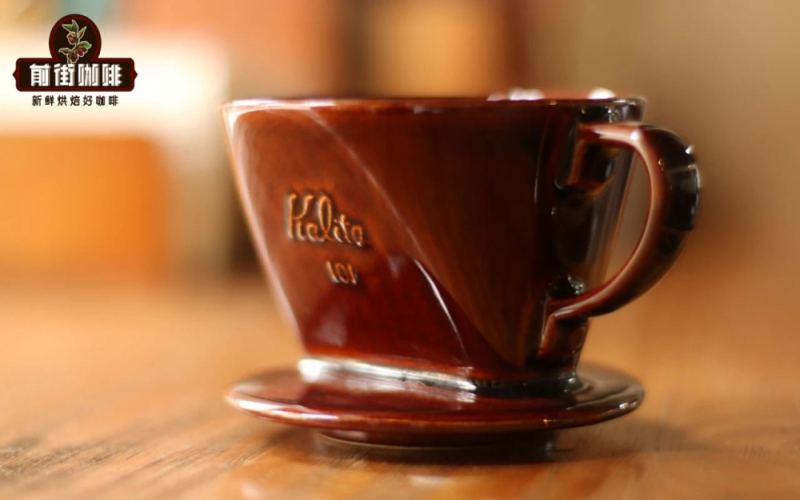
Conical vs. Flat-Bottom Dripper Showdown: Extraction Differences and Brewing Essentials of the Hario V60 and Kalita Wave
In the third wave of specialty coffee, pour-over coffee has become the top choice for many enthusiasts thanks to its clean cup profile and its ability to showcase origin flavors. As the core piece of equipment, the dripper's shape design directly affects the extraction path—conical drippers represented by the Hario V60 emphasize layers and fruit acidity, while the flat-bottom dripper pioneered by the Kalita Wave focuses on balance and sweetness. Front Street Coffee commonly uses the V60 in its daily production. This article will systematically compare the extraction logic of the two drippers from the perspectives of pouring uniformity, coffee bed depth, rib structure, and drain hole design, and will include three-pour brewing parameters for the flat-bottom dripper to help you find a clearer direction in equipment selection and technique adjustment. [more…]
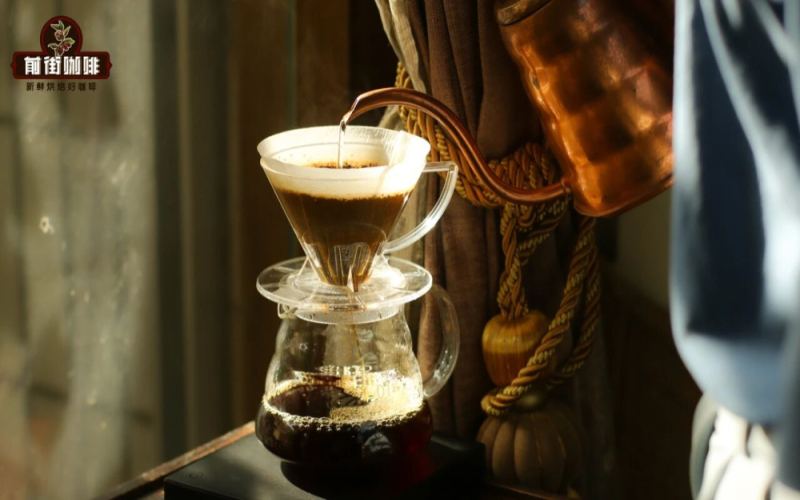
A comparison of the structural differences between the Kalita trapezoidal dripper and the V60 conical dripper, their flavor performance, and why the trapezoidal dripper is becoming increasingly rare in specialty coffee shops.
In the world of pour-over coffee, the choice of dripper shape was once diverse, but today when you walk into most specialty coffee shops, what you see are almost all conical large-hole drippers. Why have trapezoidal drippers, once so popular, especially the classic styles represented by Kalita, gradually retreated to the second tier? Starting from Front Street's actual brewing comparisons, this article uses Front Street washed Yirgacheffe and Front Street Jamaica Blue Mountain coffee, and under the same parameters extracts with Kalita 101 and V60 respectively, analyzing the differences in flavor presentation between the two drippers, and deeply examining how their structural principles affect the extraction method, ultimately explaining the reasons why trapezoidal drippers still retain a place among chain brands. [more…]
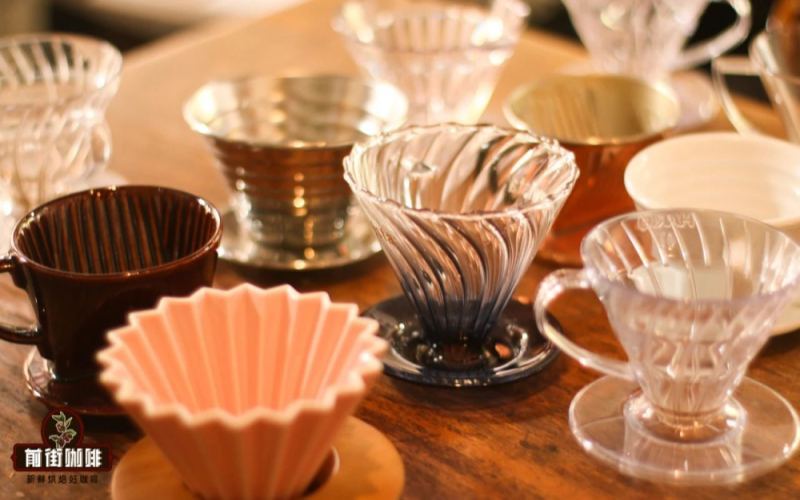
Bingtong Dripper vs. V60 Dripper Brewing Comparison: How the Rib Design of a Conical Dripper Affects Coffee Flavor Performance
With the same coffee beans, switching to a different dripper can result in a completely different flavor in the cup. The shape of the dripper determines the distribution of the coffee bed, while the design of the ribs affects the flow rate and the contact time between water and coffee grounds. Even among conical drippers, design differences can lead to entirely different extraction outcomes. This article takes the Ice Eye dripper and the V60 dripper as subjects, breaking down everything from rib layout and airflow paths to actual brewing performance, and uses the same washed Yirgacheffe Worka for a side-by-side test to see how these two conical drippers, often discussed at Front Street Coffee, compare in terms of mouthfeel, aroma, and complexity. [more…]
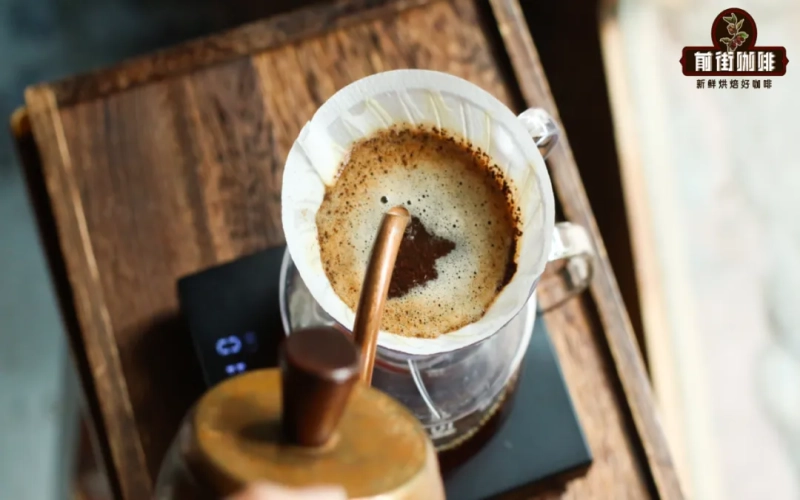
Why has the V60 dripper endured? From the origin of its name to an analysis of its conical shape, large hole, and spiral ribs
In the world of pour-over coffee, the V60 dripper's status has remained unshakable for years. Why is it so popular? This article will start with the background of the V60's birth, tracing the historical moment when it was launched by Hario in 2004, and analyze its three core designs one by one—the 60-degree conical body, the large outlet opening, and the spiral ribs—explaining how these structures together create its extraction characteristics: fast flow, rich layering, and versatile brewing possibilities. It will also compare the differences between conical, fan-shaped, and cake drippers, introduce the choice of different materials, share Front Street Coffee's reasons for preferring the resin version of the V60, and finally objectively point out the practice threshold that beginners need to face when using the V60. [more…]
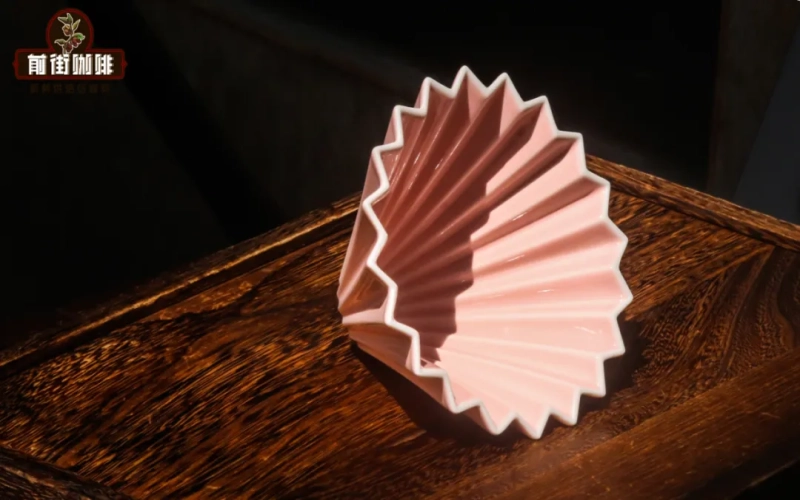
What is the Origami Dripper? How does it differ from the V60, and which filter paper should be used with it?
Among the many coffee drippers, one product stands out for its unique appearance and high compatibility: the Origami dripper, designed by Yasuo Suzuki, one of the founders of Japan's TRUNK COFFEE BAR. Its name comes from the Japanese word "折り紙," meaning origami. The most distinctive feature of this dripper is that it can be paired with either conical filters or cake filters, resulting in completely different extraction effects. So what are the characteristics of each of these two filter combinations? And what differences are there in the flavor and mouthfeel of the brewed coffee? In this article, Front Street will use the same Panama Boquete Geisha coffee beans for a comparative brew to help you find the filter pairing that suits you best. [more…]

A Beginner's Guide to Pour-Over Dripper Selection: Differences Between V60 and Kono Conical Drippers and Coffee Bean Recommendations
Want to make a good cup of coffee easily at home? Pour-over is a relatively low-barrier, budget-friendly choice. In a basic pour-over setup, the dripper has a big influence on the final flavor direction. There are many kinds of conical drippers on the market, among which the Hario V60 and the Kono are the most common. The two look similar in shape, but their rib structures, how well the filter paper fits, and their flow rates are completely different, and the extraction results they produce each have their own leanings. This article will start from the principles of the equipment, compare the characteristics of the V60 and the Kono, explain what kinds of coffee beans and taste preferences each is suited to, and recommend several matching single-origin beans from Front Street Coffee, to help beginners choose the right first dripper according to their own preferences. [more…]
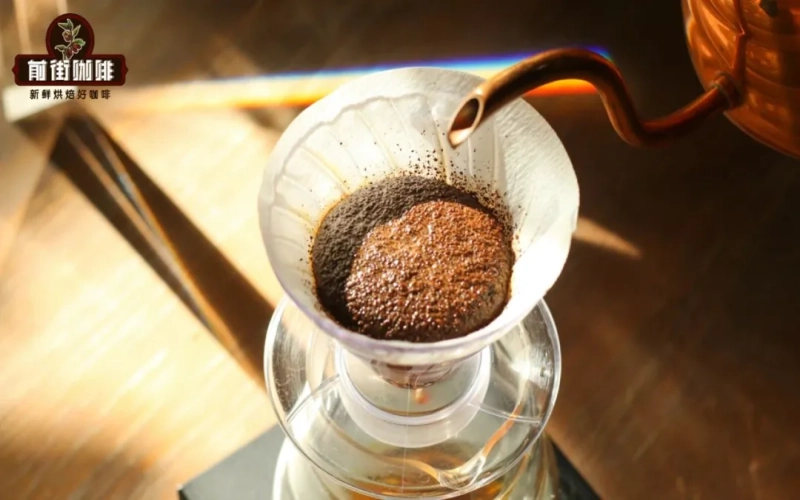
How Do Pour-Over Coffee Bed Depth and Shape Influence Flavor? A Detailed Explanation of the Differences Between Flat-Bottom Drippers and Conical V60
In the world of pour-over coffee, the shape of the coffee bed is often overlooked, yet it profoundly influences the final flavor expression. Starting from cases previously shared by Front Street Coffee, this article systematically sorts out the specific effects of coffee bed thickness and shape on extraction efficiency, stability, and coffee taste. You will learn why the same beans present completely different layers or balance in different drippers, and also understand why every dripper has a recommended dose. Through a comparative brewing example of Front Street Coffee Ethiopia Huakui, we will intuitively see the flavor differences brought by conical drippers and flat-bottom drippers, helping you understand more thoroughly the logic behind dripper selection, so you can brew a good cup of coffee more confidently. [more…]

Can the Lily drip coffee tool enhance pour-over flavor? A practical analysis of pairing a conical dripper with cake filters
The joy of pour-over coffee lies not only in the variation of flavors, but also in constantly trying new accessories. This article focuses on a small accessory called Lily drip, which originated from an accidental inspiration—placing glass marbles into a conical dripper unexpectedly gave rise to a small toy that can change the extraction effect. The article will combine a brewing example of Yirgacheffe Gedingding to share parameters such as 15g of coffee grounds, a 1:15 coffee-to-water ratio, 92°C water temperature, and a three-stage pour, and will also explore whether the V60 dripper is compatible with cake filters. If you are interested in optimizing pour-over details, you may as well follow Front Street's perspective and take a look. [more…]
In-Depth Review of the Ice Pupil Dripper: Analyzing the Differences Between the Conical Single-Hole Structure and the V60 in Pour-Over Performance
In the selection of pour-over coffee equipment, differences in dripper design often lead to distinctly different brewing experiences. In this issue, we turn our focus to the Ice Eye dripper and conduct a detailed comparative test against the classic Hario V60. Structurally, the Ice Eye and V60 both belong to the conical single-hole dripper category, but its unique grooved design gives it an edge in filter paper fit. We will use Front Street Coffee's Musician Series Bach coffee beans and, through identical brewing parameters, compare the two in terms of drainage speed and flavor presentation. Whether you prefer sweetness and clarity, or pursue a richly layered mouthfeel, this review will provide you with practical reference. [more…]
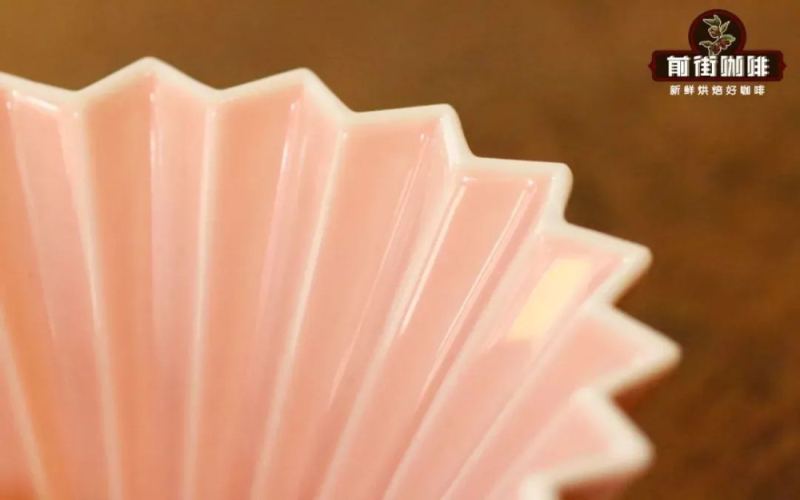
Origami Dripper Bean Suitability Analysis: Design Highlights, Brewing Recipes, and Practical Pros and Cons
The Origami dripper, with its angular shape and Nordic minimalist style, has become a familiar sight in cafés and equipment stores. Designed by Yasuo Suzuki, it can be used with either conical filters or cake filters, offering two completely different brewing experiences. Its fame grew even further when Du Jianing, the 2019 WBrC champion, used it. However, this dripper also has shortcomings, such as the lack of a base and limited coffee capacity. Front Street Coffee once conducted a comparative brew using blueberry beans from Costa Rica's Giant Stone Estate. This article will comprehensively analyze what coffee beans this dripper is suitable for, covering its appearance, star appeal, versatile brewing methods, and drawbacks. [more…]

How do you use a V30 conical pour-over dripper? How many beans to use for small-dose extraction and what to watch out for
Small doses in pour-over brewing are often a headache: the coffee bed becomes thin, water tends to channel straight through, and the cup easily turns out thin and insipid. The 30-degree conical dripper from Japan's Tarachine Conical, known in coffee circles as the "V30," was designed specifically for small doses under 15 grams. How does it differ from the classic V60? How do you fold the filter paper? Front Street Coffee tested light and fruity roasts, medium-dark roasts, and three medium-roast beans, comparing the extraction performance of the V30 and the small V60. This article will explain the V30's structural features, filter-folding method, brewing parameters, and suitable roast levels, helping you brew a cup with concentrated flavor and a full body even at small doses. [more…]
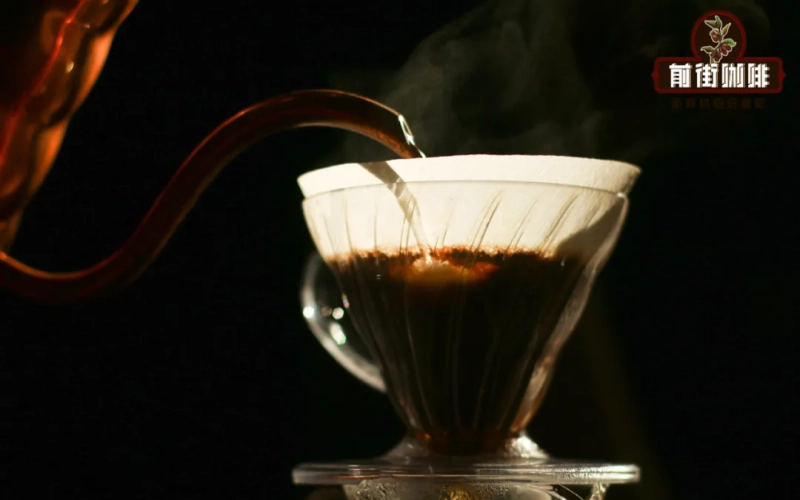
How to adjust brewing when less than 15 grams of coffee beans remain? Analysis of small-dose extraction techniques and bean-saving ideas for conical drippers
Many times, when a bag of coffee beans is nearing its end, there are always less than 15 grams of scattered beans left, which is neither enough for the usual single-serving dose nor enough to blend with other beans to make up the number. If you don't want to waste them, you need to find a way to fully extract the value from these few beans. When the dose is on the low side, the brewed coffee tends to be under-extracted, because the coffee bed becomes thinner, the amount of water poured decreases, and the contact time between hot water and coffee grounds is shortened. If a conical dripper is used, bypass water can also easily dilute the coffee liquid. In response to these difficulties, Front Street shares two approaches in this article to help everyone brew a good cup even with less than 15 grams of coffee beans. [more…]
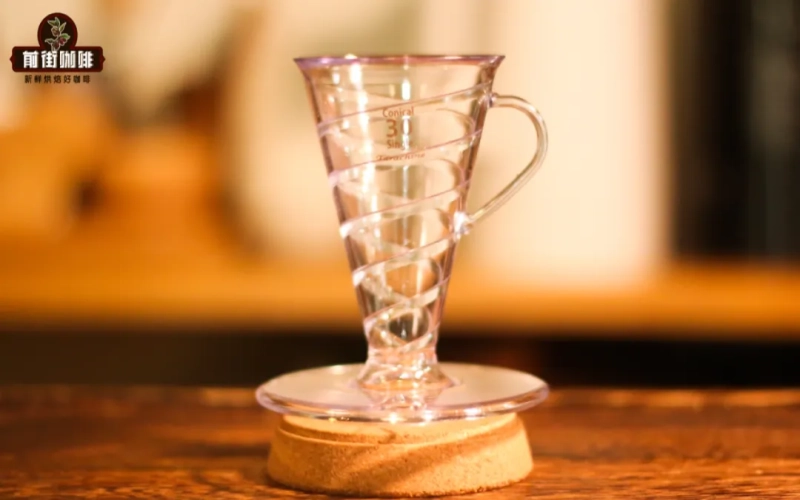
A Full Analysis of the Differences Between V30 and V60 Drippers: The Impact of Cone Angle Design on Extraction and the V30 Brewing Method
After sharing V60 small-dose brewing techniques, Front Street Coffee received many reader inquiries about how to use the V30 dripper, and some customers also asked in-store about the differences between the V30 and V60. For this reason, Front Street Coffee deliberately placed these two conical drippers side by side for a horizontal comparison. Although their names and shapes are similar, the V60 and V30 come from two different Japanese companies, Hario and Tarachine Conical, respectively, and because of their different cone-angle designs, their extraction effects are also vastly different. This article will analyze the origin of their names, structural differences, and the impact of coffee bed depth on extraction, and will also introduce the brewing method for the V30 dripper in detail, helping coffee enthusiasts understand the characteristics of these two devices more clearly. [more…]
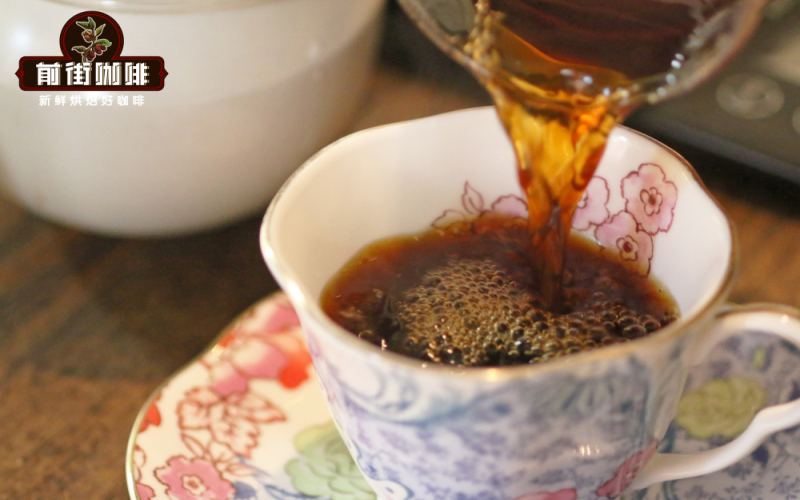
Pour-Over Coffee from Beginner to Practice: A Complete Guide to Filter Cup Types, Equipment Preparation, and Brewing Parameters
Pour-over coffee, with its clean and transparent flavor expression, has become one of the most favored brewing methods among specialty coffee enthusiasts. Starting from the basic definition of pour-over coffee, this article traces its century-old origins, compares in detail the effects of conical, fan-shaped, and flat-bottom drippers on extraction, and introduces one by one the key points for selecting equipment such as coffee beans, grinders, drippers, gooseneck kettles, filter paper, and electronic scales. At the same time, the article also presents Front Street Coffee's recommended beginner's everyday bean series, as well as specific suggestions for core brewing parameters such as coffee-to-water ratio, grind size, water temperature, and extraction time, helping readers systematically master the complete pour-over coffee process. [more…]
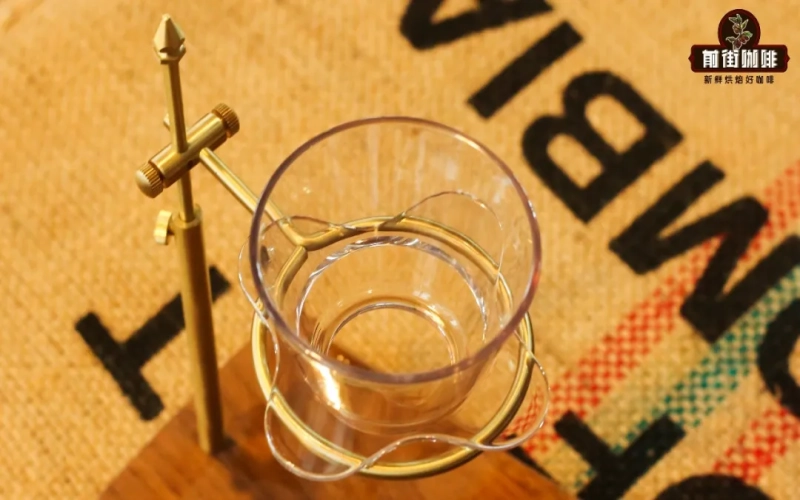
How to Choose Between a Flat-Bottom and a V60 Conical Dripper? Hand-Brew Parameters and Practical Analysis of the Large-Hole Cake Dripper
In the world of pour-over coffee, the shape of the dripper often determines the structure of the coffee bed and the direction of extraction. Flat-bottom drippers and V60 conical drippers each have their own followers, while the large-hole flat-bottom drippers that have emerged in recent years have attracted considerable attention for their combination of immersion and percolation characteristics. This article will compare the differences between the two types of drippers from the perspectives of coffee bed distribution, flow rate, and extraction balance, and, using Front Street Yirgacheffe Gutingding as an example, share in detail the adjustment approach for brewing parameters and practical techniques for the large-hole flat-bottom dripper, helping you find a brewing solution that suits you better. [more…]
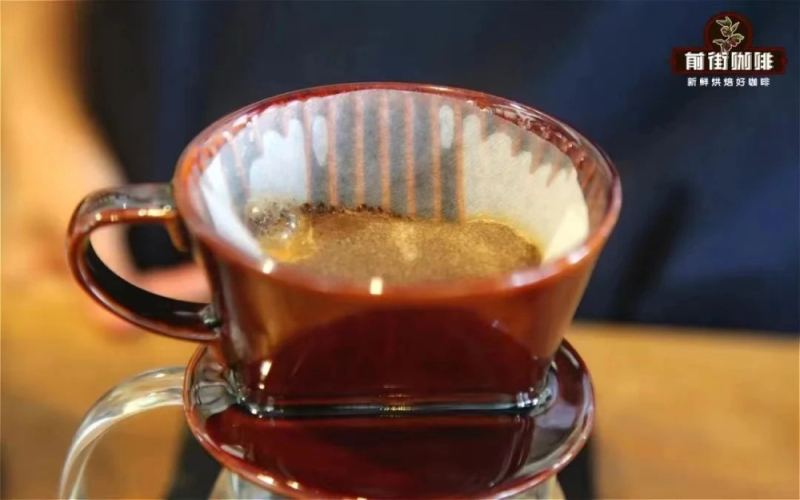
A Detailed Guide to Cake Dripper Brewing Techniques: Extraction Characteristics and Key Points for Using Flat-Bottom Pour-Over Drippers
In the world of pour-over coffee, even extraction has always been the core goal pursued by brewers. Whether choosing equipment or adjusting technique, everything ultimately revolves around giving each coffee particle a relatively consistent extraction. Front Street Coffee has discussed many times why conical drippers have become mainstream, and one key factor is the uniformity of pouring. Today, however, we introduce the cake dripper, a representative of flat-bottom drippers, which has a unique design logic for even extraction. What exactly are its differences from conical drippers? How do the bottom structure and rib design affect water flow? What usage characteristics does the way cake filters fit bring? This article, from Front Street's perspective, systematically analyzes the brewing characteristics of the cake dripper to help coffee enthusiasts gain a deeper understanding of this device's pros, cons, and suitable scenarios. [more…]
Pour-Over Coffee Dripper Selection Guide: Brewing Parameters and Pairing Suggestions for Light and Dark Roast Beans
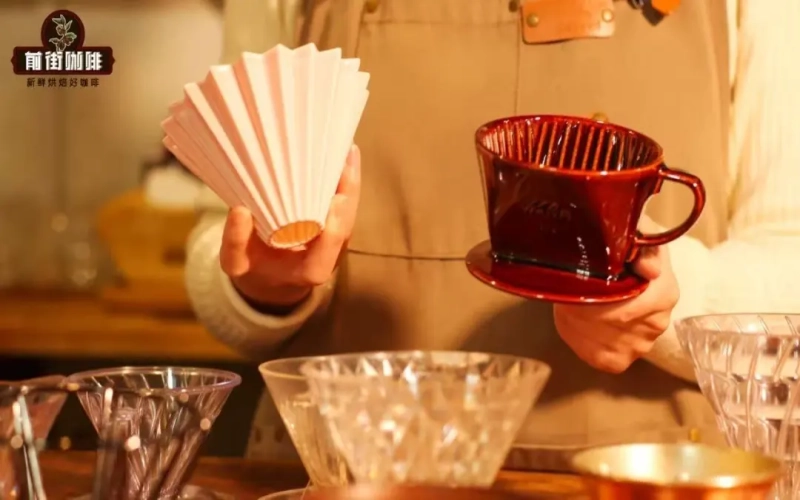
In pour-over coffee, the choice of dripper is often overlooked by beginners, but it actually directly affects extraction time, method, and ultimately the flavor in the cup. Drawing on everyday brewing experience, Front Street Coffee offers dripper pairing suggestions for coffee beans of different roast levels. Light-roasted beans suit fast-flow conical drippers like the V60 to highlight floral and fruity aromas and layering; dark-roasted beans are better matched with slow-flow drippers like the Kono to enhance body and sweetness. The article also uses Granja Geisha and PWN Golden Mandheling as examples, listing specific parameters such as dose, ratio, grind size, and water temperature in detail for coffee enthusiasts' reference. [more…]
Why does the Origami dripper keep trending? A full breakdown of its design highlights, competition heritage, and two filter paper methods
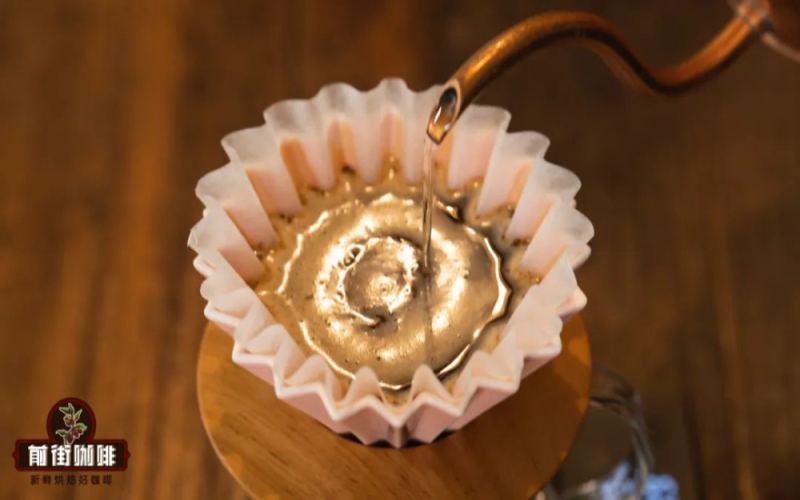
The Origami dripper has remained a hot topic in the coffee world in recent years. Many people were initially drawn to it by its appearance, but after actually using it, they discovered that it is no mere "vase." This dripper's crease design combines flow guidance with aesthetics, and its 20 evenly spaced creases give it a distinct Nordic minimalist style. Another key reason for its ongoing popularity is its multiple appearances at the World Coffee Brewing Championship—Du Jianing in 2019 and Carlos in 2023 both won the title using it. Even more practical is that the Origami supports both conical and cake filters, allowing users to switch between fast-paced and slow-paced brewing to highlight aroma layering or a rich, full-bodied taste, respectively. Based on Front Street Coffee's actual test data, this article compares the flavor differences under the two types of filters and analyzes the real reason for its enduring popularity. [more…]
Which filter cup should beginners choose for pour-over coffee? A complete analysis of V60 filter cup brand selection and design principles
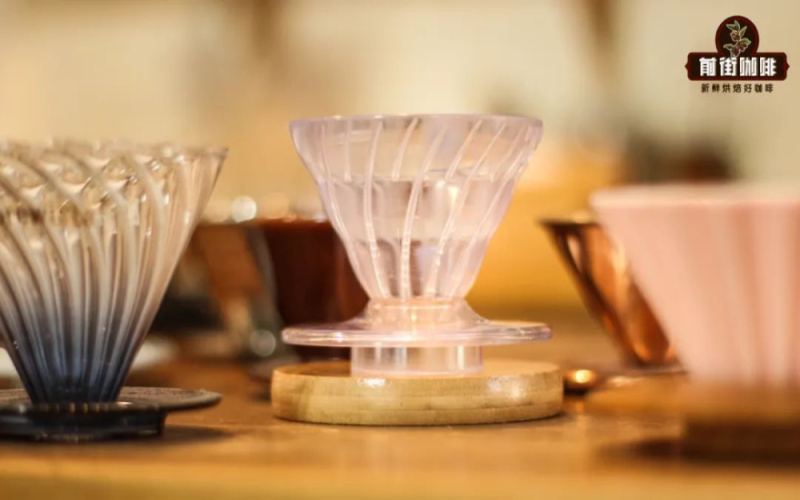
Faced with the dazzling array of dripper types on the market, beginners often don't know where to start. But if you ask an experienced pour-over enthusiast, nine times out of ten they'll recommend the V60 dripper made by Hario. Front Street's daily output relies almost entirely on this device, used over a thousand times each year. So what exactly makes the V60 stand out among so many drippers? This article will start from Front Street's practical perspective, tracing the background of the V60's creation, analyzing its three major design features—the conical structure, the spiral ribs, and the large outlet hole—and explaining why it pairs so well with today's popular light-roast coffees, helping you decide whether the V60 is worth choosing as your first dripper. [more…]
Why Are Trapezoid Drippers Fading from View? A Comparative Analysis of the Brewing Advantages of Wedge Drippers and the V60 Cone Dripper
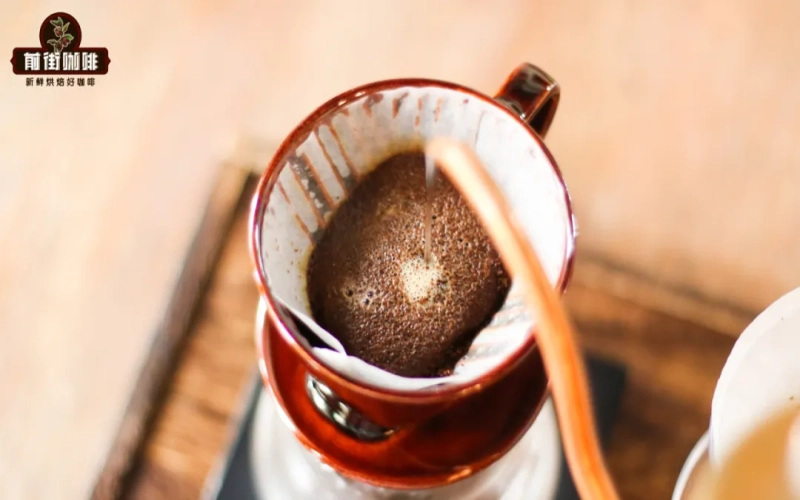
In the world of pour-over coffee gear, cone-shaped drippers occupy an absolute mainstream, while the once-popular trapezoid dripper appears less and less on the bar. This does not mean it is not useful—on the contrary, thanks to its unique structure, the trapezoid dripper can deliver a more balanced cup performance and a solid mouthfeel. From the perspective of Front Street, this article reviews the historical trajectory of the trapezoid dripper from its birth to its improvements, breaks down the impact of its shape, ribs, and bottom hole on extraction, and, through comparative brewing with the V60, intuitively presents the flavor differences between the two drippers. It also explains why the trapezoid dripper has gradually retreated behind the scenes under the light-roast trend, as well as its beginner-friendly stable extraction characteristics. [more…]